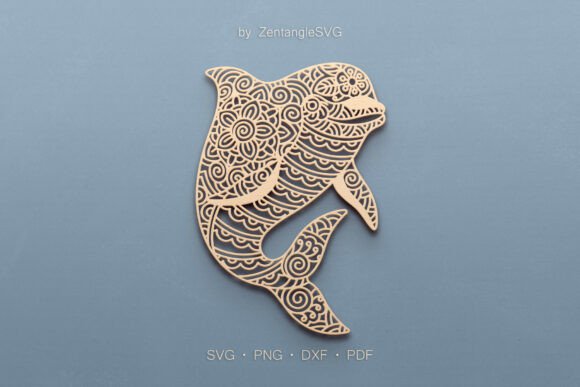
Shark SVG Paper Cut Laser Cutting: Integrating Intricate Digital Templates into Creative Workflows
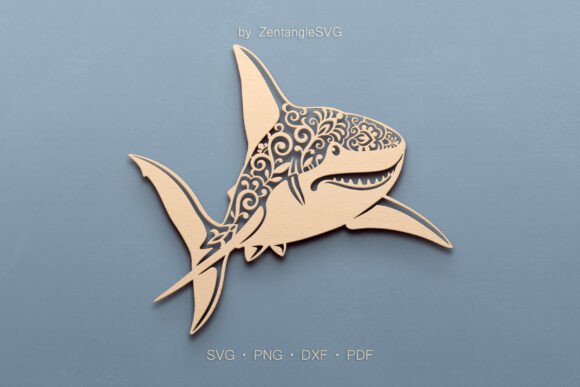
In the realm of digital fabrication and creative production, the transition from concept to physical artifact relies heavily on the precision of your source files. Shark SVG Paper Cut Laser Cutting represents a specialized intersection of marine-inspired aesthetics and technical execution. This is not merely a decorative image; it is a structured digital asset designed for high-fidelity reproduction across various materials. For professionals, hobbyists, and small business owners alike, understanding how to integrate this specific digital template into your workflow is crucial for achieving consistent, high-quality results.
The core value of this product lies in its versatility as a DIGITAL TEMPLATE for cutting. It serves as the bridge between abstract design and tangible output. Whether you are producing custom wall art, educational props, or branded merchandise, the quality of the final piece is determined long before the laser cutter or electronic blade engages with the material. It begins with the file structure, the layering logic, and the compatibility with your chosen software ecosystem.
Understanding the Asset Structure and Compatibility
When evaluating any digital craft asset, the first step in implementation is verifying technical compatibility. The Shark SVG Paper Cut Laser Cutting kit provides a comprehensive suite of formats: SVG, PNG, DXF, and PDF. Each format serves a distinct role in different stages of the production pipeline.
- SVG (Scalable Vector Graphics): This is the primary working file for most modern cutting machines, including Cricut, Silhouette, and Glowforge. It allows for infinite scaling without pixelation, ensuring that intricate details remain sharp regardless of the final output size.
- DXF: Essential for users operating within CAD environments or industrial laser cutters that prefer vector line data over complex path data. This ensures seamless integration into engineering-focused workflows.
- PNG: Useful for raster-based editing or as a visual reference during the planning phase. It helps in visualizing the color blocking and depth effects before committing to material cuts.
- PDF: Ideal for direct printing or for use in software that requires fixed-page layouts, such as certain desktop publishing tools or older cutting software versions.
It is critical to note that while these files are compatible with most popular cutting machines, successful execution depends on proper software configuration. Users must ensure their software can interpret the nested layers correctly. The design is provided as a 1-layer design in random colors, which implies a flattened aesthetic for single-material projects, but the underlying vector paths retain the complexity required for multi-pass operations if needed.
Material Selection and Physical Execution
The phrase "Paper Cut" in the title might suggest a limitation to paper media, but the structural integrity of the Shark SVG design makes it suitable for a wide array of substrates. The intricate detailed ornamentation requires materials that can hold fine edges without tearing or charring excessively.
Substrate Variations
Paper and Cardstock: These are the most accessible entry points. Heavyweight cardstock (65lb to 110lb) offers the best balance of rigidity and ease of cutting. The contrast between the white background and the shark silhouette creates a striking visual effect, particularly when used in shadow boxes or layered frames.
Wood and MDF: For a more durable application, plywood or Medium Density Fiberboard (MDF) can be utilized. When cutting wood, the laser power and speed settings must be adjusted to prevent burning around the intricate fins and teeth. MDF provides a smooth surface but may require sealing after cutting to maintain a professional finish.
Acrylic and Plexiglass: Clear or colored acrylics offer a modern, sleek aesthetic. The transparency of plexiglass interacts uniquely with light, casting shadows that mimic the fluidity of water. However, acrylic requires precise focus calibration to achieve clean edges, especially in the thinner, more delicate parts of the shark’s design.
Metal: While less common for standard hobbyist cutters, thin sheet metal can be processed using fiber laser markers or high-power CO2 lasers with assist gases. This transforms the design from a craft item into an industrial component or high-end signage.
Workflow Integration: From File to Finished Product
Integrating the Shark SVG Paper Cut Laser Cutting template into a project requires a systematic approach. Adhering to a structured workflow minimizes errors and maximizes efficiency.
Pre-Production Planning
Before sending the file to the machine, conduct a thorough review. Open the SVG in your preferred design software (e.g., Adobe Illustrator, Inkscape, or Silhouette Studio). Check for overlapping paths, stray nodes, or non-closed shapes that could cause the cutting machine to behave unpredictably. Ensure that the design is scaled appropriately for your material stock. If you are creating a large-scale installation, verify that the file resolution remains sufficient for the viewing distance.
Machine Calibration and Testing
Never assume that settings from a previous job will work identically for this new design. Perform a test cut on a scrap piece of the same material. Pay close attention to the intricate detailed ornament areas. Are the tiny gaps between the teeth and fins being cut cleanly? Is the material lifting away easily, or does it require manual removal? Adjusting the kerf compensation—the amount of material removed by the laser beam—may be necessary to ensure that interlocking pieces fit together perfectly if assembly is part of the plan.
Post-Processing and Assembly
Once cutting is complete, the post-processing phase begins. For paper and cardstock, use tweezers or a weeding tool to carefully remove excess material from the intricate sections. For wood and acrylic, sanding or polishing the edges can elevate the perceived quality of the product. If the design involves multiple layers or components, consider how they will be assembled. Adhesives, mechanical fasteners, or friction fits should be selected based on the final display requirements.
Strategic Applications and Use Cases
The versatility of the Shark SVG Paper Cut Laser Cutting template allows it to fit into diverse professional and personal contexts.
- Educational Materials: Teachers can use the design to create engaging classroom decorations or hands-on learning aids about marine biology. The clear, bold lines make it easy for students to identify anatomical features.
- Event Decor: For themed parties, corporate events, or weddings, this design adds a unique touch. Layered paper cuts can create dynamic backdrops or centerpieces that change appearance depending on the lighting angle.
- Small Business Branding: Entrepreneurs can incorporate the shark motif into packaging inserts, product labels, or promotional displays. The professional quality of the vector file ensures that the brand image remains sharp and credible.
- Home Decor: Hobbyists can create personalized wall art. By experimenting with different color combinations and materials, creators can produce one-of-a-kind pieces that reflect their interior design style.
Quality Control and Long-Term Value
Investing in a high-quality digital template like the Shark SVG Paper Cut Laser Cutting design yields long-term benefits. Unlike low-resolution images that become blurry when enlarged, vector files maintain their integrity. This means you can reuse the asset indefinitely for various projects without degradation.
Furthermore, the inclusion of multiple file formats future-proofs your workflow. As technology evolves and you upgrade equipment, having access to DXF and SVG files ensures that you are not locked into a single platform. This flexibility is essential for professionals who need to collaborate with clients or partners using different software ecosystems.
In conclusion, the success of any project involving the Shark SVG Paper Cut Laser Cutting template hinges on preparation, precision, and practical execution. By treating the digital file as a critical component of the manufacturing process rather than just an image, creators can unlock the full potential of this intricate design. Whether you are producing a single custom piece or scaling up for commercial distribution, adhering to best practices in file management, material selection, and machine operation will result in superior outcomes. Embrace the detailed ornamentation, respect the capabilities of your tools, and let the versatility of the digital template drive your creativity forward.