Bumblebee SVG Paper Cut Laser Cutting: Integrating Intricate Digital Templates into Your Creative Workflow
The transition from digital design to physical production is a critical juncture in modern crafting, manufacturing, and artistic creation. At the heart of this transition lies the precision of vector files, specifically Bumblebee SVG Paper Cut Laser Cutting templates. These are not merely decorative images; they are structured data sets that dictate how materials are cut, layered, and assembled. For professionals ranging from small business owners creating custom merchandise to educators designing classroom aids, understanding the mechanics and applications of these intricate digital assets is essential for efficiency and quality control.
This article explores the practical implementation of Bumblebee SVG paper cut designs, focusing on their compatibility with cutting machines, the significance of single-layer versus multi-layer construction, and how to integrate these files into broader creative workflows. By examining the technical specifications and material versatility of these templates, creators can optimize their production processes and achieve consistent, high-quality results.
Understanding the Architecture of Intricate Ornamentation
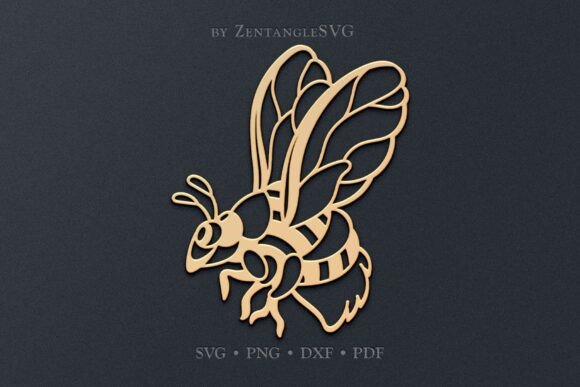
A Bumblebee SVG paper cut laser cutting template is defined by its complexity. Unlike simple silhouette cuts, these designs often feature detailed ornamentation—stripes, wing textures, and facial features—that require precise tool paths. The term "intricate" here refers to the density of lines and the proximity of cut elements. When working with such detail, the integrity of the file structure becomes paramount.
The provided digital template typically includes multiple file formats to ensure accessibility across different software ecosystems:
- SVG (Scalable Vector Graphics): The primary format for most modern cutting machines like Cricut and Silhouette. It retains editable paths and layers.
- DXF (Drawing Exchange Format): A standard vector format compatible with CAD software and older cutting machine interfaces.
- PNG (Portable Network Graphics): A raster image included for preview purposes or for use in print-on-demand services that do not support vector imports.
- PDF (Portable Document Format): Useful for manual cutting with craft knives or for archival reference, ensuring the design scales correctly without pixelation.
It is crucial to note that this specific item offers a 1-layer design in random colors. This distinction impacts the workflow significantly. A single-layer design implies that all visual elements are flattened into one cohesive shape or set of shapes, rather than being separated into distinct pieces that require assembly. This simplifies the cutting process but requires careful consideration of material choice to ensure fine details remain intact during ejection.
Material Compatibility and Physical Execution
The versatility of the Bumblebee SVG template extends beyond paper. Because it is a vector-based laser cutting file, it interacts with a wide array of substrates. However, the suitability of each material depends on the thickness, density, and cutting method employed.
Standard Crafting Materials
For hobbyists and educators, cardstock and heavy-weight paper are the most common applications. The intricate stripes of the bumblebee must be thin enough to be cut cleanly but thick enough to hold structural integrity. Cardstock between 80lb and 110lb is often ideal, providing a balance between rigidity and ease of cutting. When using paper, the "random color" aspect allows for customization based on available inventory, though pre-selecting hues ensures thematic consistency in larger projects.
Industrial and Semi-Industrial Substrates
Entrepreneurs and makers utilizing laser engravers or CNC routers can expand the application of this design to more durable materials:
- Wood and Plywood: Thin birch plywood (1/8 inch or less) works well for laser cutting. The natural grain adds texture, but the laser power must be calibrated to avoid charring the intricate details.
- MDF (Medium-Density Fiberboard): A cost-effective alternative to wood, MDF provides a smooth surface for clean cuts. However, it produces more dust and may require post-processing to remove residue from deep cuts.
- Acrylic and Plexiglass: Cast acrylic yields cleaner edges than extruded acrylic when laser-cut. The transparency of acrylic can create striking visual effects with the bumblebee design, especially when backlit.
- Metal Sheets: While possible with high-power fiber lasers, thin metal sheets require significant equipment investment. For most small businesses, this design is better suited for vinyl decals applied to metal surfaces.
Integrating the Template into Professional Workflows
For marketers, bloggers, and content creators, integrating this digital asset involves more than just hitting "cut." It requires a systematic approach to asset management and production planning.
Pre-Production Planning
Before sending the file to a cutting machine, verification is key. Open the SVG in your preferred design software (such as Adobe Illustrator, Inkscape, or the proprietary software of your cutter). Check the following:
- Scale and Dimensions: Ensure the design fits within your material sheet size. Adjust scaling if necessary, keeping in mind that reducing size too much may make intricate details uncuttable due to blade limitations.
- Line Weight and Type: Verify that cut lines are set to a hairline width (usually 0.01 pt or similar) and are assigned to the correct layer or color channel in your software. Misconfigured line types result in scoring instead of cutting, or vice versa.
- Node Optimization: Complex ornaments can sometimes have redundant nodes. Simplifying the path can improve cutting speed and reduce wear on blades or lasers.
Production Efficiency
When producing multiple units, organization becomes a productivity multiplier. Since the design is single-layer, nesting—the arrangement of multiple copies on a single sheet—is straightforward. Efficient nesting minimizes material waste, which is a critical factor for small business owners managing margins.
Furthermore, consider the post-cutting phase. Intricate paper cuts may require manual removal of small internal pieces ("weeding"). Using tweezers and a sharp pick tool can expedite this process. For wood or acrylic, additional steps like sanding edges or applying coatings may be necessary to enhance the final aesthetic.
Quality Control and Long-Term Use
Consistency is the hallmark of professional output. When using digital templates, the risk of variation is low, provided the source file remains unchanged. However, environmental factors and machine calibration can introduce variability.
Calibration Checks: Regularly test cut a small section of the intricate pattern on scrap material. This verifies that the blade depth (for plotters) or laser focus (for engravers) is correct. A dull blade or misfocused lens can cause jagged edges or incomplete cuts in fine details.
File Preservation: Keep a backup of the original SVG, DXF, and PDF files in a cloud-based repository. As technology evolves, having access to the raw vector data ensures future compatibility with new software updates or hardware upgrades. Avoid relying solely on rasterized versions (PNGs), as they cannot be scaled without loss of quality.
Strategic Applications Across Industries
The utility of the Bumblebee SVG paper cut laser cutting template spans various sectors, leveraging its intricate yet accessible design.
- Educational Settings: Teachers can use these designs for STEM activities, teaching students about geometry, symmetry, and engineering principles through physical assembly. The single-layer nature makes it safer and easier for younger students to handle compared to complex multi-part kits.
- Event Decorations: For weddings, birthdays, or corporate events, these designs serve as elegant table numbers, place cards, or hanging ornaments. The ability to switch between paper, acrylic, and wood allows decorators to match the theme precisely.
- Branding and Merchandise: Small businesses can produce branded stickers, wooden tags for packaging, or acrylic keychains. The bumblebee motif suggests themes of industry, sweetness, and community, making it versatile for various brand identities.
- Digital Art and Print: Bloggers and illustrators can use the PNG version for social media graphics or blog headers, maintaining brand consistency across digital platforms.
Conclusion
The Bumblebee SVG Paper Cut Laser Cutting template represents a bridge between digital precision and tangible creativity. Its value lies not just in the visual appeal of the bumblebee design, but in its adaptability across materials and its ease of integration into existing workflows. By understanding the technical requirements of the file formats, selecting appropriate materials, and implementing rigorous quality control measures, creators can maximize the potential of this asset.
Whether you are a seasoned professional streamlining production lines or a hobbyist exploring new crafts, the key to success lies in preparation and attention to detail. Embrace the intricacy of the ornament, respect the capabilities of your tools, and leverage the versatility of the digital template to bring your vision to life efficiently and effectively.