Dolphin SVG Paper Cut Laser Cutting: Integrating Intricate Digital Templates into Your Creative Workflow
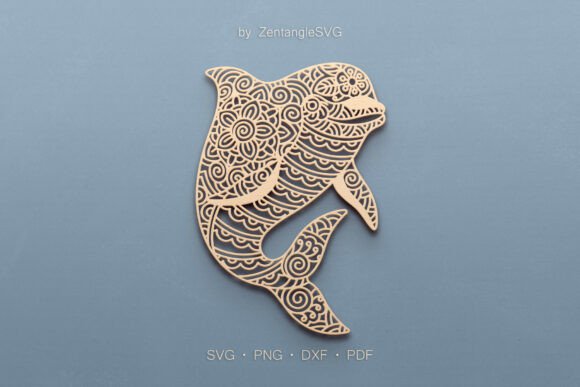
The intersection of digital design and physical fabrication has created a robust ecosystem for creators, small business owners, and hobbyists. At the center of this workflow is the Dolphin SVG Paper Cut Laser Cutting template, a digital asset designed to bridge the gap between screen-based creativity and tangible output. This specific design is not merely an image; it is a precise set of vector instructions that dictates how material is cut, layered, and assembled. For professionals in marketing, educators creating classroom materials, or entrepreneurs launching handmade product lines, understanding the technical and practical nuances of this file type is essential for consistent, high-quality results.
This article explores the operational aspects of using Dolphin SVG templates, focusing on preparation, machine compatibility, material selection, and the integration of these designs into broader production pipelines. By treating the digital file as a critical component of your manufacturing process, you can minimize waste, reduce errors, and streamline the path from concept to finished craft.
Understanding the Digital Asset: What You Receive
When purchasing or downloading a Dolphin SVG Paper Cut Laser Cutting template, you are acquiring a multi-format digital package. The core component is the SVG (Scalable Vector Graphics) file, which serves as the primary instruction set for cutting machines. However, a complete workflow often requires additional formats to ensure flexibility across different software environments and devices.
- SVG Files: These are the most critical files for laser cutters and electronic cutting machines like Cricut or Silhouette. They contain mathematical paths rather than pixels, allowing for infinite scaling without loss of quality. This ensures that whether you are cutting a small bookmark or a large wall decoration, the intricate details of the dolphin’s ornamental pattern remain sharp.
- PNG and JPG Files: Included for reference purposes or for use in graphic design software where vector editing is not immediately required. These raster images help visualize the final aesthetic before committing to material costs.
- DXF Files: Essential for users working with CAD (Computer-Aided Design) software or industrial laser cutting systems that may not natively support SVG. DXF files provide a universal exchange format for vector data.
- PDF Files: Useful for manual tracing or for users who need to print the design for hand-cutting projects, although precision will depend heavily on the user's skill level compared to automated machines.
The inclusion of multiple formats ensures that the Dolphin SVG Paper Cut Laser Cutting asset fits seamlessly into various technical workflows, regardless of the specific software stack a creator prefers.
Preparation and Software Compatibility
Before any material is fed into a cutter, proper preparation is vital. The complexity of the Dolphin SVG Paper Cut Laser Cutting design, characterized by its intricate detailed ornament, demands careful handling in design software. Most popular cutting machines operate through proprietary software (such as Cricut Design Space or Silhouette Studio) or third-party vector editors like Adobe Illustrator, Inkscape, or CorelDRAW.
When importing the SVG file, users should verify that all paths are closed and that no overlapping elements exist unintentionally. Overlapping lines can cause double-cutting, leading to weak points in the paper or cardstock. For layered designs, it is crucial to separate the layers correctly. A typical paper cut project involves multiple sheets stacked to create depth. Ensure that each layer in the digital file corresponds to a distinct color or group within your software interface. This organization allows for efficient loading of materials and reduces the time spent adjusting settings mid-project.
Furthermore, check the orientation of the design. Some complex ornaments may require flipping or rotating depending on the grain of the wood or the feed direction of your machine. Proper alignment at the software stage prevents costly errors during the physical cutting phase.
Material Selection and Machine Settings
The versatility of the Dolphin SVG Paper Cut Laser Cutting template lies in its compatibility with a wide range of materials. While marketed for paper and cardstock, the vector nature of the file makes it suitable for wood, plywood, MDF, acrylic, plexiglass, and even thin metals. However, each material requires specific adjustments to achieve optimal results.
Paper and Cardstock
For beginners and educators, paper-based projects offer the lowest barrier to entry. Use heavyweight cardstock (at least 180gsm) to prevent tearing around the intricate cutouts. Standard printer paper may be too fragile to hold the delicate details of the dolphin’s ornamentation. When setting up your cutting machine, use a light pressure setting to avoid blade drag marks. If using a laser cutter for paper, low power and high speed settings are recommended to prevent scorching.
Wood and Plywood
Transitioning to wood adds durability and a premium feel to the final product, ideal for commercial goods. Thin birch plywood (1mm to 3mm) works well for detailed cuts. Laser cutters excel here, but attention must be paid to the kerf—the width of the material removed by the laser beam. In intricate designs, kerf accumulation can cause pieces to fit loosely or warp. Test cuts on scrap material are essential to calibrate power and speed settings. For CNC routers, higher feed rates and smaller bit sizes may be necessary to replicate the fine details.
Acrylic and Plexiglass
Acrylic offers a modern, translucent aesthetic. Clear or colored acrylic sheets respond beautifully to laser cutting, producing polished edges. However, the thickness of the sheet determines the maximum detail achievable. Thicker acrylics may struggle with very fine internal cuts, potentially leading to breakage during removal. Always use compressed air during laser cutting to keep the material cool and prevent melting or fire hazards.
Workflow Integration and Efficiency
Integrating Dolphin SVG Paper Cut Laser Cutting into a regular workflow requires strategic planning. For small business owners producing batches of products, efficiency is key. Organize your digital library by categorizing files based on material type and project complexity. This allows for quick retrieval when fulfilling orders or preparing lesson plans.
Consider the assembly process. Intricate paper cuts often require adhesives that do not yellow over time or add excessive bulk. Double-sided tape dots or archival glue sticks are preferable for paper, while cyanoacrylate (super glue) or epoxy works better for wood and acrylic. Plan the assembly sequence carefully; some layers may need to dry completely before others are attached to maintain structural integrity.
Quality control is another critical aspect. After cutting, inspect each piece for missed cuts or burnt edges. In a production environment, implement a checklist system to ensure every step—from file opening to final assembly—is verified. This reduces returns and enhances customer satisfaction, particularly for educators and parents who value safety and durability in craft kits.
Long-Term Value and Scalability
Investing in high-quality digital templates like the Dolphin SVG Paper Cut Laser Cutting design offers long-term benefits. Unlike physical tools that wear out, digital files have no degradation over time. They can be reused indefinitely for new projects, seasonal decorations, or educational updates. As your skills advance, you can experiment with combining this dolphin design with other elements, such as adding text, changing color palettes, or integrating it into larger scenes.
Moreover, the scalability of vector files means you can adapt the design for different market segments. A small version might appeal to children’s party favors, while a large, professionally finished wooden version could serve as home decor or corporate branding merchandise. This flexibility supports diverse business models and creative expressions without requiring additional design purchases.
Conclusion
The success of any fabrication project depends less on the novelty of the design and more on the rigor of the execution. The Dolphin SVG Paper Cut Laser Cutting template provides a sophisticated foundation for creating visually striking objects. By mastering the preparation, material selection, and machine settings associated with this digital asset, creators can produce professional-grade results consistently. Whether you are crafting for personal enjoyment, teaching students about geometry and art, or running a thriving online store, this versatile file integrates smoothly into your existing processes, enhancing both efficiency and artistic outcome.