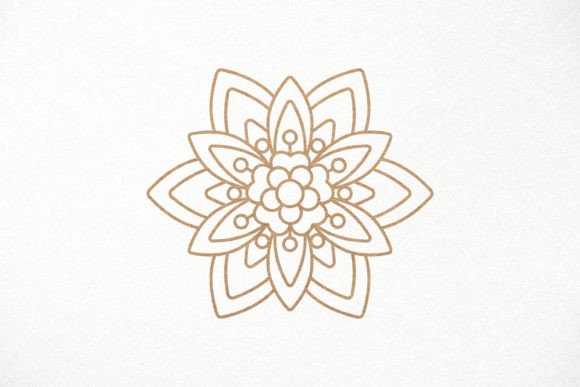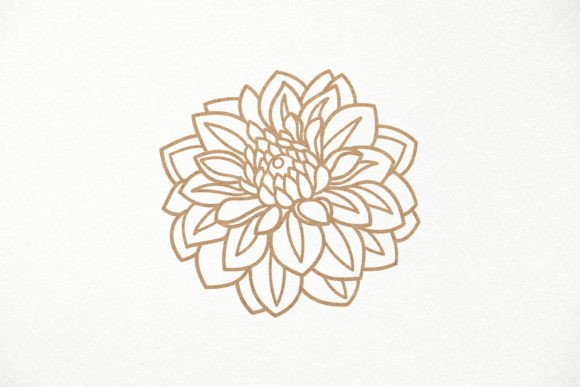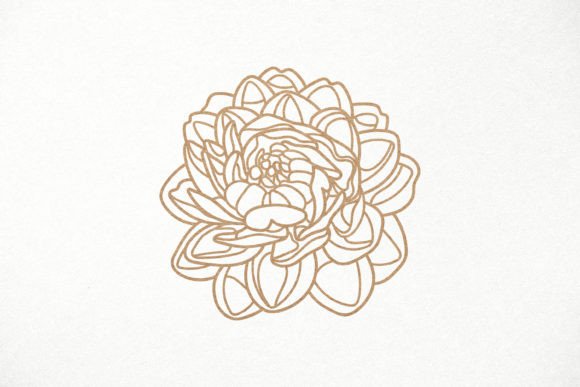
Peony Flower for Laser Cutting
In the realm of digital fabrication and precision crafting, the transition from concept to physical object relies heavily on the quality of the source files. A Peony Flower for Laser Cutting is not merely a decorative image; it is a structured vector asset designed to bridge the gap between creative vision and mechanical execution. For professionals, hobbyists, and small business owners alike, understanding how this specific design integrates into various workflows can significantly streamline production processes, reduce material waste, and enhance the final aesthetic quality of projects.
This resource typically arrives as a single zip archive containing a layer-design in multiple vector-based formats. The inclusion of SVG, DXF, and PNG files ensures compatibility across a wide spectrum of cutting and engraving software. Whether you are operating a Cricut machine at home or managing a high-volume production line with a Glowforge or CNC laser cutter, having access to these versatile file types allows for greater flexibility in material selection and project scope.
Understanding the File Structure and Compatibility
The effectiveness of any digital craft asset depends on its technical foundation. The Peony Flower design provided in this package is engineered to be "one layer" and does not fall apart, which simplifies the setup process in your cutting software. This structural integrity is crucial for maintaining consistency, especially when working with delicate materials like paper or thin plywood where complex multi-layer alignments can lead to misregistration errors.
- SVG Files: These are compatible with Cricut Design Space and Glowforge cutting and engraving tools. The SVG format preserves the vector paths, allowing for infinite scaling without loss of resolution. This is ideal for creating intricate cutouts where smooth curves are essential.
- DXF Files: Designed for Silhouette Studio and CNC laser machines, DXF files are widely used in industrial and semi-industrial settings. They offer robust compatibility with CAD software, making them suitable for precise engineering applications or large-scale manufacturing.
- PNG Files: Included as a ready-to-print option, the PNG file supports raster-based operations. It is particularly useful for engraving tasks on materials like acrylic, wood, or metal, where the laser follows pixel density rather than vector paths.
It is important to note that while preview images may display vibrant colors, the actual designs are delivered in black. In vector software, color often represents different layers or cut/engrave actions. You can easily change the size and colors of the design within your cutting software to match your specific project requirements. This adaptability allows you to integrate the peony motif into existing brand guidelines or thematic designs seamlessly.
Material Selection and Workflow Integration
One of the primary advantages of using a dedicated laser-cutting design is the ability to experiment with diverse materials. Because the Peony Flower design is one layer and structurally sound, it performs well across a variety of substrates. Common materials include paper, cardstock, wood, plywood, MDF (Medium Density Fiberboard), acrylic, plexiglass, and even thin metals.
When planning a project, consider the properties of the material relative to the complexity of the peony petals. For instance, when working with paper or cardboard, the fine details of the flower can create stunning shadow boxes or greeting cards. However, due to the fragility of paper, ensuring that the cut lines are clean and the design does not have overly thin connecting points is vital. The provided design’s stability helps mitigate tearing during the ejection phase.
For wood and plywood, the laser cuts through the material by burning away edges. The natural grain of the wood can interact with the laser beam, potentially causing slight variations in cut depth. Using the DXF file for CNC routers or CO2 lasers allows for deeper cuts and more aggressive material removal if needed. Similarly, acrylic and plexiglass benefit from the SVG format, which provides the smooth edge finish characteristic of laser cutting, often eliminating the need for post-processing sanding.
Preparation and Software Setup
Before sending the design to the machine, proper preparation is key to a successful outcome. Import the appropriate file type into your chosen software—Cricut Design Space, Silhouette Studio, or your laser control software. If you are using the PNG for engraving, ensure the image contrast is adjusted to highlight the petal details. For vector files, check the scale. A common mistake is assuming the file opens at 1:1 scale. Always verify dimensions against your material sheet size to maximize efficiency and minimize waste.
Organize your workspace by grouping elements if necessary. Although the design is a single layer, some software may interpret overlapping paths differently. Ensure that all lines are closed and that there are no stray nodes that could cause the laser or blade to make unnecessary passes. This attention to detail reduces processing time and extends the life of your machine’s components, such as blades or laser tubes.
Strategic Use Cases for Professionals and Creators
The versatility of the Peony Flower for Laser Cutting makes it a valuable asset for various professional and entrepreneurial endeavors. For small business owners in the wedding industry, this design can be used to create custom invitations, table numbers, or cake toppers. The elegance of the peony aligns well with bridal themes, and the ability to switch between materials allows for tiered pricing strategies—offering paper versions for budget-conscious clients and acrylic or wood versions for premium packages.
Educators and bloggers can utilize this design for STEM workshops or DIY tutorials. Demonstrating the difference between SVG cutting and PNG engraving provides a practical lesson in digital fabrication. By showing how the same visual motif behaves differently on paper versus wood, instructors can illustrate concepts of vector mathematics and raster imaging in an accessible way.
For marketers and brand managers, branded merchandise is a powerful tool. Engraving a peony logo onto wooden coasters or acrylic keychains adds a touch of sophistication that mass-produced plastic items lack. The single-layer design ensures that the branding remains legible and durable, resisting wear over time. This approach supports long-term brand visibility and customer retention.
Quality Control and Long-Term Efficiency
Implementing a new digital asset into your workflow requires a focus on consistency and quality control. When producing multiple units, run test cuts on scrap material first. This step verifies that the laser power and speed settings are optimized for the specific thickness and type of material. Variations in humidity can affect paper and wood, so adjusting settings slightly between batches may be necessary to maintain uniformity.
Efficiency is also enhanced by the organized nature of the zip archive. Having all necessary file formats in one location reduces search time and prevents version control issues. Instead of hunting for compatible files across different folders or websites, creators can quickly switch between cutting and engraving modes based on client needs. This agility is particularly beneficial for freelancers and publishers who juggle multiple projects simultaneously.
Furthermore, the non-complex structure of the design—being a single layer that does not fall apart—reduces post-production labor. Unlike intricate mandalas or multi-part puzzles that require careful assembly, this peony design can often be used immediately after cutting or engraving. This reduction in handling time translates directly to higher throughput and lower labor costs, whether you are working solo or managing a team.
Conclusion on Practical Application
The Peony Flower for Laser Cutting serves as a robust example of how well-designed digital assets can simplify complex manufacturing processes. By providing SVG, DXF, and PNG formats, it caters to a broad range of tools and skill levels. Its structural simplicity ensures reliability, while its aesthetic appeal offers endless creative possibilities.
Integrating this design into your workflow involves careful material selection, proper software configuration, and strategic use cases tailored to your audience. Whether you are producing high-end wedding decor, educational kits, or branded merchandise, this resource supports efficient execution and high-quality outcomes. By focusing on the practical aspects of preparation and implementation, users can leverage the full potential of laser cutting technology to bring their creative visions to life with precision and professionalism.