Unlocking Creativity: The Ultimate Guide to Dahlia Flower Designs for Laser Cutting and Digital Crafting
In the rapidly evolving world of digital fabrication, the bridge between artistic vision and physical reality has never been thinner. For hobbyists, small business owners, and professional designers alike, the ability to transform a simple digital file into a tangible object is a superpower. Among the vast array of motifs available for laser cutting and vinyl crafting, few possess the intricate beauty and structural elegance of the dahlia flower. This article explores the specific value of a single-layer dahlia design provided in versatile vector formats, explaining why this particular asset is an essential addition to your creative toolkit.
Why the Dahlia? The Symbolism and Aesthetic Appeal
Before diving into the technical specifications, it is important to understand why the dahlia remains a perennial favorite in design circles. Native to Mexico and Central America, dahlias are known for their complex geometry and vibrant colors. In the language of flowers, they symbolize dignity, elegance, and inner strength. However, from a design perspective, their true power lies in their structure. The petals of a dahlia radiate outward in precise, mathematical patterns, creating a visual rhythm that is both organic and highly structured.
When translated into laser-cut materials, these natural patterns become striking architectural elements. Whether you are crafting a delicate paper wedding invitation, a rustic wooden wall hanging, or a sleek acrylic sign, the dahlia adds a touch of sophisticated complexity without overwhelming the viewer. Its symmetry makes it ideal for decorative borders, centerpieces, and focal points in home decor.
Understanding the Format: SVG, DXF, and PNG Explained
The versatility of any digital craft file depends entirely on its format. The product description highlights a comprehensive package containing three distinct file types: SVG, DXF, and PNG. Each serves a unique purpose in the modern maker ecosystem. Understanding these differences ensures you can utilize the design across various machines and software platforms.
SVG Files: The Gold Standard for Vector Cutting
SVG (Scalable Vector Graphics) is arguably the most critical format for users of electronic cutting machines like Cricut and Silhouette. Unlike raster images, which are made of pixels and lose quality when resized, SVGs are built on mathematical equations. This means you can scale the dahlia design from a tiny 1-inch sticker to a massive 4-foot banner without any loss of resolution or jagged edges.
This specific SVG file is compatible with Cricut Design Space, making it accessible to beginners who rely on user-friendly interfaces. It allows for precise cut lines, ensuring that every petal of the dahlia is rendered perfectly. Because it is a vector file, you can easily change the color within the software to match your project theme before sending it to the cutter.
DXF Files: Precision for Industrial and CNC Machines
For those working with more industrial equipment, such as Glowforge, Silhouette Studio (in certain modes), or Computer Numerical Control (CNC) routers, the DXF (Drawing Exchange Format) is indispensable. DXF files are widely accepted by laser engravers and cutters because they provide clean, accurate path data.
Using the DXF version of the dahlia design allows you to leverage the power of CO2 or fiber lasers to not only cut through materials but also to engrave details. While the design is specified as a single layer, the precision of the DXF file ensures that the laser follows the exact contour of the flower, resulting in crisp, professional-grade edges on wood, acrylic, or leather.
PNG Files: Ready for Printing and Engraving
While vectors are king for cutting, PNG (Portable Network Graphics) files serve a different, yet equally important role. PNGs are raster images with transparent backgrounds, making them perfect for direct printing or for use in engraving software that interprets image contrast rather than vector paths.
If you wish to create a multi-colored print using a large-format printer, or if you want to use the dahlia shape as a mask for sandblasting or etching glass, the PNG file is your go-to resource. It is also compatible with Cricut Design Space for "Print then Cut" projects, where you print the colored design first and then the machine cuts around the printed image.
Material Versatility: From Paper to Metal
One of the greatest advantages of this single-layer dahlia design is its adaptability to a wide range of substrates. Because the design does not fall apart—it is a cohesive, one-piece vector—it maintains structural integrity even when scaled up or down. Here is how it performs across different materials:
- Cardstock and Paper: Ideal for greeting cards, scrapbooking, and layered paper art. The fine details of the dahlia petals will shine through, adding texture to flat surfaces.
- Wood and Plywood: When cut from birch or maple plywood, the dahlia takes on a warm, natural aesthetic. It works beautifully as a wall decal, a gift tag, or a component of larger wooden puzzles.
- MDF (Medium Density Fiberboard): Cost-effective and smooth, MDF is great for signage. The dahlia design can be painted over after cutting, allowing for custom branding or home decor themes.
- Acrylic and Plexiglass: Clear or colored acrylic provides a modern, glossy finish. The laser cuts through acrylic cleanly, often leaving a polished edge that enhances the light-transmitting qualities of the material.
- Metal and Leather: With the appropriate high-power laser settings, this vector can be used to cut thin metals or emboss/engrave leather goods, such as wallets or journal covers, adding a luxurious floral accent.
Clarifying Common Misconceptions
As with many digital products, there are common assumptions that new users may have. It is crucial to clarify what you are receiving to ensure satisfaction and proper usage.
"The Colors in the Preview Are Not What You Get"
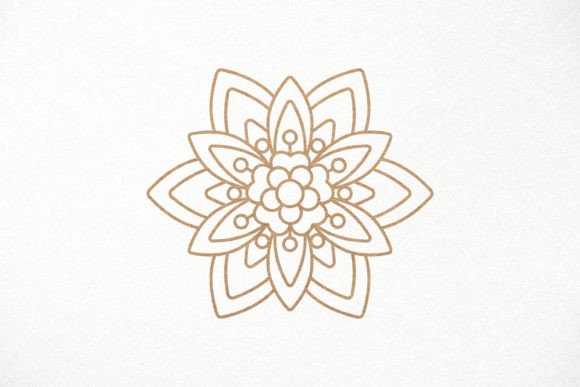
A frequent point of confusion is the color palette shown in marketing images. The preview images likely display the dahlia in vibrant hues—perhaps pinks, purples, or yellows—to showcase its potential. However, the actual files you receive are in black. This is standard practice for vector files. The black represents the cut line or the path the machine will follow. Once imported into your software, you can assign any color you desire to the design. This flexibility allows you to keep the design monochromatic for a sleek look or assign multiple colors if you are doing a print-and-cut project.
"Single Layer" Does Not Mean "Simple"
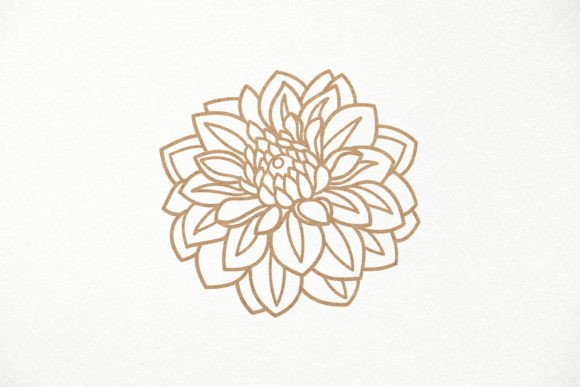
Some buyers might interpret "single layer" as lacking detail. In reality, a single-layer design refers to the structural composition of the vector. It is not composed of separate, floating pieces that require assembly. Instead, the entire dahlia is one continuous outline. This is actually a benefit for beginners and for materials that cannot hold tiny, detached pieces together. It prevents the frustration of losing small petals during the weeding process or handling phase.
Practical Applications in Modern Life
How does this dahlia design fit into your daily activities or business model? The applications are nearly limitless:
- Event Planning: Create custom table numbers, place cards, or backdrops for weddings and birthdays. The elegant nature of the flower fits formal events perfectly.
- Home Decor: Use the design to create personalized coasters, lamp shades, or room dividers. Layering two different colored dahlias can create a stunning 3D effect.
- E-commerce Products: If you sell handmade goods on platforms like Etsy, incorporating trending botanical designs like the dahlia can increase your visibility. Customers love nature-inspired items that bring a sense of calm and beauty into their homes.
- Educational Projects: Teachers can use the design to teach students about geometry, symmetry, and plant biology through hands-on STEM activities involving laser safety and design principles.
Conclusion: Elevate Your Craft
The inclusion of a single-layer dahlia flower design in SVG, DXF, and PNG formats offers more than just a pretty picture; it provides a robust, adaptable tool for creation. By understanding the strengths of each file type and the versatility of the materials you can work with, you unlock a world of possibilities. Whether you are a seasoned pro running a Glowforge in a commercial workshop or a beginner exploring Cricut Design Space for the first time, this design empowers you to turn abstract ideas into concrete, beautiful realities. Embrace the precision of vector graphics and the timeless beauty of the dahlia to elevate your next project.