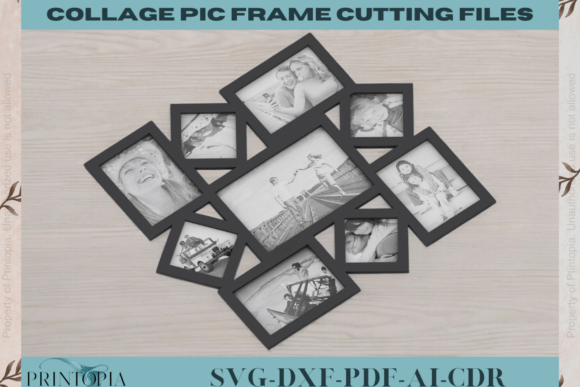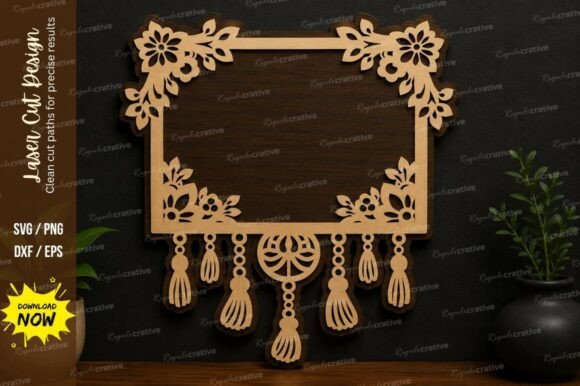
Premium Quality Laser Cutting Design
When you are holding a piece of raw material—whether it is a sheet of birch plywood, a slab of acrylic, or even thin metal—you want the transition from idea to finished object to be seamless. This is where a Premium Quality Laser Cutting Design shifts from being a simple digital file to a critical tool in your workflow. It is not just about having a shape on a screen; it is about having a precision-engineered blueprint that respects the physical limitations and capabilities of your laser cutter.
The difference between a free clip-art download and a professionally prepared design file set often comes down to the details: line weights, node density, cut versus engrave paths, and format compatibility. For creators who value their time and materials, investing in designs that are carefully prepared for smooth and precise cutting means fewer failed projects, less sanding, and more satisfying results right out of the machine.
Why Format Compatibility Matters More Than You Think
One of the most frustrating experiences for any maker is downloading a design only to find it is locked in a proprietary format or lacks the necessary vector data. A comprehensive package that includes multiple popular formats such as SVG, EPS, PNG, and DXF solves this problem entirely. This variety ensures that no matter what software or hardware ecosystem you operate within, you have a solution ready to go.
- SVG (Scalable Vector Graphics): Ideal for web-based editors and modern CNC controllers. It is lightweight and retains editability, making it perfect for quick adjustments before cutting.
- EPS (Encapsulated PostScript): The industry standard for professional graphic design workflows. If you use Adobe Illustrator or CorelDRAW, this format preserves complex curves and layers with high fidelity.
- PNG (Portable Network Graphics): While raster images cannot be cut directly, they serve a vital role. They provide visual references for engraving patterns, textures, or when you need to trace over an image in simpler software like Inkscape or basic photo editors.
- DXF (Drawing Exchange Format): The universal language of CAD (Computer-Aided Design). If you are using older laser machines or specialized industrial software that requires precise coordinate data, DXF is your safest bet for accuracy.
By having access to all these formats, you eliminate the friction of conversion errors. You can open the file in the program you are most comfortable with, confident that the geometry remains intact. This flexibility is crucial for professionals who might switch between different clients or project types daily.
Real-World Applications Across Different Lifestyles
A Premium Quality Laser Cutting Design is not limited to one type of user. Its versatility allows it to fit into various aspects of life, from home decor to small business inventory. Here is how different groups actually use these resources in real situations.
For the Small Business Owner and Entrepreneur
If you run a boutique selling personalized gifts, custom jewelry boxes, or branded merchandise, speed and consistency are your bottom lines. When you order a batch of 50 wooden coasters, you cannot afford to spend hours tweaking a poorly constructed vector file. A clean vector design ensures that every single piece cuts identically. This consistency builds trust with your customers. Furthermore, because these designs are easy to resize without losing quality, you can offer tiered pricing based on size without needing to redraw the artwork for each variation. You simply scale the SVG or DXF file and send it to the laser.
For Educators and Makerspaces
In classrooms and community workshops, students often lack advanced technical skills. Using pre-made, high-quality files lowers the barrier to entry. Students can focus on the creative process—choosing colors, assembling parts, and finishing edges—rather than struggling with basic CAD software. These files are perfect for STEM education projects, where understanding geometry and spatial reasoning is key. Teachers can provide a single design file set, and students can experiment with different materials, learning how wood burns differently than acrylic, all while achieving a professional-looking result.
For Hobbyists and DIY Enthusiasts
Perhaps you bought a laser cutter as a Christmas gift and are still figuring out the ropes. Or maybe you have had yours for years but feel stuck in a rut, making the same simple shapes over and over. Premium design files spark creativity. Imagine wanting to build a custom lampshade, a intricate puzzle for your kids, or a detailed model kit. Instead of starting from scratch, you download a ready-to-cut design. The fact that it is ready for laser cutting and engraving means you can skip the tedious setup phase. You load the file, adjust the power settings for your specific material, and hit start. It transforms a complex engineering task into a manageable afternoon project.
The Technical Edge: Precision and Material Versatility
What truly defines "premium" quality in this context is the preparation of the vector paths. A low-quality file might have overlapping lines, unnecessary nodes, or gaps that cause the laser to burn excessively or miss sections entirely. A well-prepared design has clean, closed paths that guide the laser head efficiently. This efficiency does two things: it reduces the total cutting time, saving you electricity and machine wear, and it improves the edge quality.
This precision makes these designs suitable for a wide range of materials:
- Wood: From basswood to plywood, clean lines prevent charring and ensure tight joints for assembly projects like boxes or frames.
- Acrylic: Laser cutting acrylic creates a polished, glass-like edge. However, if the design has sharp internal corners or overly thin features, it may crack during cooling. Premium designs account for these physical properties.
- Metal: For thinner metals or metal sheets used in signage, precision is non-negotiable. DXF files derived from premium designs ensure that the kerf (the width of the cut) is accounted for, preventing parts from falling out or fitting too loosely.
- Paper and Cardstock: Intricate paper art, such as pop-up cards or wedding invitations, requires extreme detail. High-resolution vector lines allow for delicate lace-like patterns that would be impossible to cut by hand.
What to Consider Before You Start
While having a Premium Quality Laser Cutting Design simplifies much of the process, it does not remove the need for responsible usage. Even the best file will fail if the machine parameters are wrong. Always test your settings on a scrap piece of the exact material you plan to use. Factors like humidity, wood density, and acrylic thickness can vary between batches.
Additionally, consider the scalability of the design. Just because a file is easy to resize does not mean you should stretch it disproportionately. Maintaining the aspect ratio is crucial for aesthetic balance. Also, think about the end use. If you are creating something that will be handled frequently, like a phone stand or a tool holder, ensure the design includes interlocking tabs or slots that are strong enough to withstand stress. Premium designs often include these structural reinforcements, which you can see clearly in the vector layout.
Finally, remember the value of instant access. In a fast-paced world, the ability to download and start working immediately is a significant advantage. Whether you are fulfilling a last-minute customer order or seizing a spontaneous burst of inspiration, having a library of reliable, versatile design files at your fingertips keeps your creative momentum going. It turns the laser cutter from a niche hobbyist toy into a powerful production engine capable of handling diverse projects with confidence and precision.