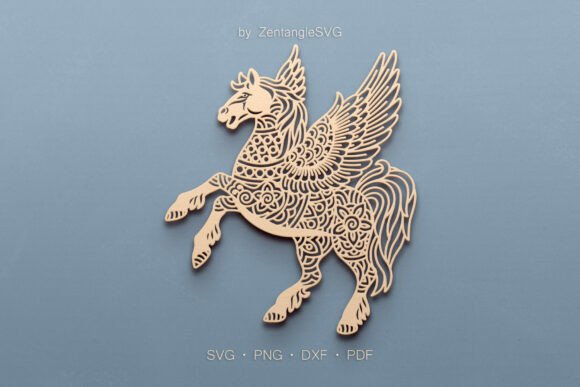
Pegasus SVG Paper Cut Laser Cutting
In the realm of visual storytelling, few symbols command attention quite like the winged horse. The Pegasus SVG Paper Cut Laser Cutting template offers a sophisticated approach to digital crafting, merging classical mythology with modern precision. This design is not merely an image; it is a structural blueprint for creating depth, shadow, and dimension through negative space. For graphic designers and creative professionals, understanding how to leverage such intricate vector assets can significantly elevate the quality of physical and digital outputs alike.
The beauty of this specific asset lies in its adherence to the paper-cut aesthetic. Unlike flat illustrations, paper-cut designs rely on the interplay between solid forms and empty spaces to create visual interest. When translated into a digital file compatible with cutting machines, this style allows creators to produce tangible objects that possess a unique tactile quality. Whether you are designing a wedding invitation, a decorative wall art piece, or a branded merchandise item, the ability to manipulate layers and cut lines adds a premium feel that standard printing methods often lack.
Technical Specifications and Workflow Integration
One of the primary advantages of using a dedicated digital template is the seamless integration into existing design workflows. This item provides a 1-layer design in random colors, which simplifies the initial setup process while allowing for creative flexibility in post-production. The inclusion of multiple file formats—SVG, PNG, DXF, and PDF—ensures compatibility across a wide spectrum of software environments and hardware devices.
- SVG (Scalable Vector Graphics): Ideal for editing in Adobe Illustrator or Inkscape, allowing for precise adjustments to paths and nodes before sending to a cutter.
- DXF: A universal format widely supported by laser cutting software and CNC routers, making it perfect for industrial or semi-industrial production runs.
- PDF: Useful for direct printing or viewing, ensuring that the design intent is preserved regardless of the software version used.
- PNG: Provides a raster preview for quick visualization or use in digital marketing materials where vector data is not required.
This multi-format support reduces friction in the transition from concept to creation. Designers can quickly prototype ideas in vector software, refine the visual hierarchy, and then export the necessary files for fabrication without worrying about compatibility issues. This efficiency is crucial for meeting tight deadlines in branding projects or custom packaging design.
Material Versatility and Visual Impact
The Pegasus design is engineered for versatility, performing exceptionally well across various substrates. While originally conceptualized for paper and cardstock, the intricate details hold up beautifully when cut from wood, plywood, MDF, acrylic, plexiglass, and even thin metals. Each material introduces a different texture and light interaction, offering new dimensions to the same core design.
For instance, cutting this design from birch plywood creates a warm, organic aesthetic suitable for rustic branding or home decor. Conversely, using clear acrylic yields a modern, sleek look that appeals to contemporary UI/UX aesthetics when applied to physical prototypes or display stands. The key to success lies in selecting materials that complement the intended brand identity. A luxury brand might opt for thick, textured cardstock with gold foil accents, while a tech startup might prefer laser-cut acrylic for a clean, minimalist presentation.
Strategic Applications in Modern Design
Beyond traditional crafts, these digital assets play a significant role in broader creative projects. In editorial design, layered paper-cut elements can serve as striking cover images or pull quotes, breaking the monotony of text-heavy layouts. For social media graphics, high-resolution PNG versions of the design can be overlaid on video content or used as static posts to generate engagement through their unique visual appeal.
In the context of branding, incorporating such distinctive motifs helps establish a memorable visual identity. A logo design that utilizes negative space effectively, much like a paper-cut style, demonstrates sophistication and attention to detail. This approach aligns with current design trends that favor minimalism combined with intricate detail, creating a balance that is both visually accessible and deeply engaging.
Furthermore, these assets are invaluable for packaging design. Imagine a product box featuring a die-cut window shaped like the Pegasus silhouette, revealing the product inside. This technique enhances the unboxing experience, turning a simple transaction into a moment of discovery. It reinforces brand values of creativity and quality, leaving a lasting impression on the consumer.
Evaluating Quality and Usability
When selecting digital templates, it is essential to evaluate the underlying structure of the vector paths. A well-crafted SVG should have clean, intersecting lines that do not overlap unnecessarily, ensuring that the cutting machine does not encounter errors. The complexity of the Pegasus ornament must be balanced with the capabilities of the chosen cutting device. Fine details may require higher DPI settings or more delicate handling, particularly with fragile materials like tissue paper or thin metal sheets.
Designers should also consider the scalability of the asset. A robust vector file ensures that the design remains crisp whether it is printed on a business card or scaled up for a large banner. This scalability is a cornerstone of professional presentation, ensuring consistency across all touchpoints of a brand’s communication strategy.
Ultimately, the value of the Pegasus SVG Paper Cut Laser Cutting template extends beyond its immediate utility. It represents a fusion of artistic tradition and technological innovation. By choosing high-quality, well-structured digital assets, designers empower themselves to create works that are not only visually stunning but also functionally precise. In an era where user experience encompasses both digital interfaces and physical interactions, the ability to bridge these worlds with thoughtful design choices is indispensable. Investing in such resources supports a workflow that prioritizes clarity, elegance, and impact, resulting in creative projects that resonate deeply with audiences.