Mastering the Art of Panther SVG Paper Cut Laser Cutting for Intricate Crafts
Creating high-quality, multi-layered paper art or precise laser-cut designs requires more than just a basic silhouette; it demands precision, depth, and a keen eye for detail. For crafters and designers alike, the challenge often lies in sourcing digital assets that are not only visually stunning but also technically robust enough to handle complex layering without compromising structural integrity. This is where specialized resources like Panther SVG Paper Cut Laser Cutting templates become indispensable tools in the creative workflow. By providing intricate, detailed ornamentation within a digital framework compatible with modern cutting technology, these files bridge the gap between artistic vision and physical realization.
The appeal of layered paper cut art, often referred to as shadow box art or diorama crafting, has surged in popularity among hobbyists and professionals. The technique involves stacking multiple layers of material—typically cardstock, wood, or acrylic—to create a sense of three-dimensional depth from a two-dimensional design. However, achieving this effect seamlessly can be daunting. Designers must ensure that each layer aligns perfectly, that negative space is preserved correctly, and that the file format supports the specific requirements of their hardware. A well-structured digital template solves these problems by offering pre-calculated paths and optimized geometry, allowing users to focus on assembly and finishing rather than troubleshooting technical errors.
Understanding the Versatility of Digital Cutting Templates
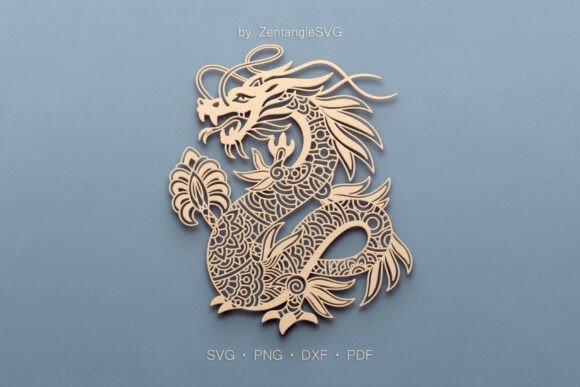
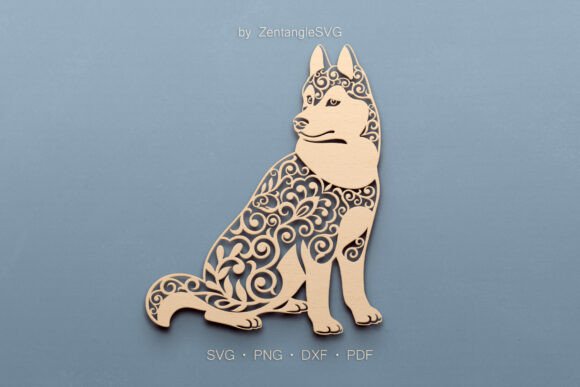
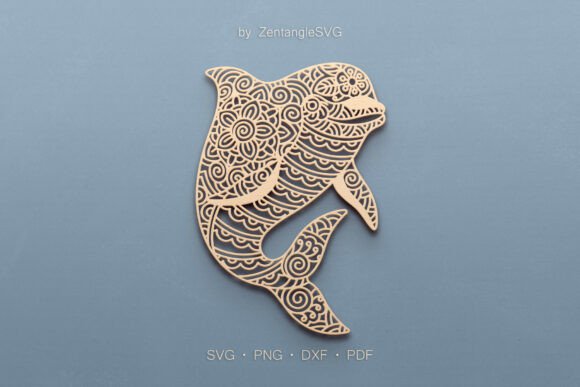
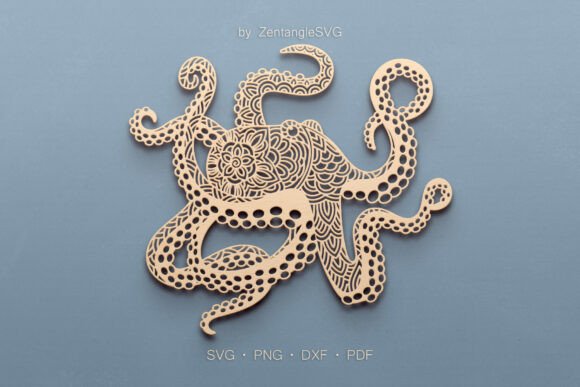
At its core, a digital cutting template is a vector-based graphic file that instructs a machine how to move its blade or laser beam. When you acquire a Panther SVG Paper Cut Laser Cutting design, you are not just receiving an image; you are gaining a set of instructions encoded in formats such as SVG, DXF, PNG, and PDF. Each of these formats serves a distinct purpose in the production pipeline, ensuring compatibility across a wide spectrum of devices.
The SVG (Scalable Vector Graphics) format is particularly crucial for this type of work. Unlike raster images, which lose quality when resized, vectors maintain crisp edges at any scale. This is vital for intricate ornamental details, where even a slight pixelation can ruin the delicate nature of the design. Similarly, the DXF format is widely recognized by CNC routers and laser cutters, making it an essential component for those working with harder materials like plywood or MDF. The inclusion of PNG and PDF files adds further utility, providing visual references for assembly and scalable printouts for manual cutting if needed.
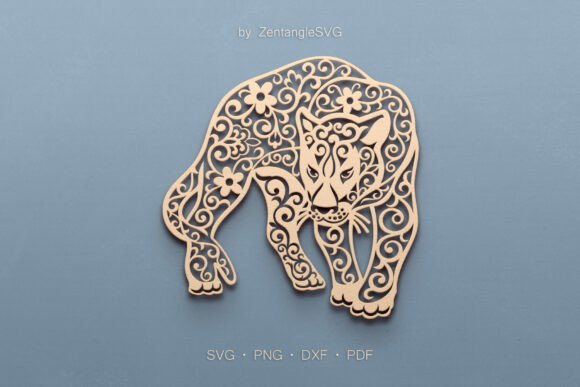
One of the most significant advantages of using these comprehensive digital packages is their adaptability. While the primary example may showcase a panther motif—a symbol of strength, agility, and beauty—the underlying structure of the file allows for creative customization. Users can adjust colors, resize elements, or modify specific ornamental patterns to suit their project’s aesthetic. This flexibility ensures that the template remains relevant whether you are creating a small desk decoration or a large-scale wall installation.
Navigating Material Choices and Technical Considerations
While the digital file provides the blueprint, the success of your project heavily depends on the materials selected. The versatility of the Panther SVG Paper Cut Laser Cutting design means it can be executed in various mediums, each offering unique textural and visual outcomes. Understanding these differences is key to achieving professional results.
- Paper and Cardstock: For beginners or those focusing on indoor decor, high-quality cardstock is the ideal starting point. It cuts cleanly, holds color vividly, and is easy to stack. However, users must be mindful of the weight; too many heavy layers can cause the structure to bow or collapse under its own weight.
- Wood and Plywood: For a more durable and rustic aesthetic, thin sheets of basswood or birch plywood are excellent choices. Laser cutting wood introduces a natural grain texture that complements organic designs like animal motifs. It is important to select wood with minimal knots and consistent thickness to prevent uneven burns or jagged edges.
- MDF (Medium Density Fiberboard): This engineered wood product offers a smooth surface that takes paint exceptionally well. It is cost-effective and sturdy, making it suitable for larger projects. However, MDF produces more dust during cutting, so proper ventilation and cleanup are necessary.
- Acrylic and Plexiglass: For a modern, sleek look, clear or colored acrylic sheets provide a glass-like finish. Laser cutting acrylic results in polished edges that require no additional sanding. This material is perfect for light boxes or displays where illumination enhances the intricate details of the panther’s features.
- Metal: Advanced laser systems capable of cutting metal can produce stunning metallic finishes. Thin brass or steel sheets can add a luxurious, industrial touch to the design, though this requires higher power settings and specialized equipment.
Regardless of the material, attention to the "intricate detailed ornament" mentioned in the design specifications is paramount. Fine lines and small cutouts require sharp blades and appropriate speed settings. If the laser moves too fast, it may fail to cut through completely; if it moves too slowly, it may scorch the edges excessively. Testing a small section of the design before committing to the full sheet is always recommended to fine-tune these parameters.
Practical Applications and Creative Outcomes
The applications for a versatile Panther SVG Paper Cut Laser Cutting template are nearly limitless. One popular use case is the creation of custom wall art. By layering different shades of gray, black, and white cardstock, artists can create a striking monochromatic panther that appears to leap off the wall. The depth created by the layers adds a dynamic quality that flat prints cannot replicate.
Another practical application is in event planning and party decorations. Themed parties, especially those centered around jungle or wildlife concepts, benefit greatly from customized banners and backdrops. The ability to quickly produce multiple copies of the design using a cutting machine makes it efficient for bulk orders. Furthermore, the random color option provided in some digital packages allows for surprise and variety, adding an element of excitement to the final product.
Educational institutions and makerspaces also find value in these templates. They serve as excellent projects for teaching students about digital fabrication, material science, and artistic composition. Students learn to navigate software interfaces, understand the physics of cutting different materials, and appreciate the importance of precision in design. The intricate nature of the panther design encourages patience and careful handling, fostering skills that translate well beyond the craft room.
Maximizing Value Through Smart Implementation
To get the most out of your Panther SVG Paper Cut Laser Cutting files, consider adopting a systematic approach to your workflow. Start by organizing your digital assets into clearly labeled folders. When preparing the file for cutting, use software features to group layers logically. This not only speeds up the cutting process but also simplifies the assembly phase. Labeling each layer with a number or letter corresponding to its position in the stack can prevent confusion during gluing or mounting.
Additionally, invest time in post-processing. For paper crafts, using tweezers to remove tiny cutout pieces prevents damage to the surrounding areas. For wood and acrylic, a quick pass with fine-grit sandpaper or a flame polish (for acrylic) can elevate the finish from good to professional. These small steps make a significant difference in the overall presentation of the final piece.
In conclusion, the integration of high-quality digital templates like the Panther SVG Paper Cut Laser Cutting design empowers creators to bring complex visions to life with ease. By understanding the technical nuances of file formats, selecting appropriate materials, and employing careful craftsmanship, users can produce stunning works of art that stand out. Whether you are a seasoned pro or a curious beginner, the combination of digital convenience and tangible creativity offers endless possibilities for expression and innovation.