Mandala SVG Paper Cut Laser Cutting
In the landscape of digital fabrication and intricate craft design, few assets offer as much versatility and aesthetic impact as a high-quality Mandala SVG Paper Cut Laser Cutting template. For professionals ranging from graphic designers to small business owners in the handmade goods sector, the distinction between a basic image file and a production-ready vector cut file is often the difference between a frustrating workflow and a seamless output. This specific resource—a digital template designed for precision cutting—represents a practical tool for creators who require detailed ornamentation without the steep learning curve associated with manual drafting or complex CAD modeling.
The core value of this asset lies not just in its visual complexity, but in its technical execution. A mandala, by definition, is a geometric configuration of symbols, often circular and symmetrical. Translating this into a format compatible with modern cutting machines requires precise pathing, clean nodes, and logical layer separation. The inclusion of multiple file formats ensures that the user is not locked into a single software ecosystem, providing flexibility whether they are operating a Cricut, Silhouette, Glowforge, or a traditional rotary laser cutter.
Technical Specifications and File Compatibility
One of the primary considerations for any creator evaluating a digital asset is compatibility. The provision of Digital SVG, PNG, DXF, and PDF files addresses the fragmented nature of the crafting and manufacturing industry. Each format serves a distinct purpose in the production pipeline:
- SVG (Scalable Vector Graphics): This is the gold standard for most vinyl cutters and pen plotters. It allows for infinite scaling without loss of quality, ensuring that a design intended for a coaster can be enlarged for a wall hanging without pixelation or jagged edges. For users of software like Adobe Illustrator or Inkscape, the SVG offers editable paths, allowing for minor adjustments to line weights or node placements before sending to the machine.
- DXF (Drawing Exchange Format): Essential for laser engraving and cutting workflows, particularly when using software like LightBurn or AutoCAD. The DXF file ensures that the vector paths are interpreted correctly by the laser’s control board, distinguishing between cut lines and engrave areas if the file structure supports it.
- PDF (Portable Document Format): While primarily used for previewing or printing, a well-structured PDF can serve as a backup reference or be imported into various design programs. It acts as a reliable static representation of the final output.
- PNG (Portable Network Graphics): Included for raster-based applications or quick visualization. While not suitable for direct cutting due to its pixel-based nature, it provides a clear visual guide for placement and composition.
This multi-format approach mitigates the risk of software incompatibility, a common pain point for freelancers and educators who may need to switch tools depending on client requirements or available hardware. By providing these variations, the template reduces the friction typically associated with adapting digital designs to physical media.
Design Integrity and Intricate Detail
The aesthetic appeal of a mandala lies in its symmetry and detail. However, intricate detail presents significant challenges in digital cutting. Thin lines can break during the weeding process; overly dense patterns can cause material warping or burning, especially in wood or acrylic. A well-executed Mandala SVG Paper Cut Laser Cutting design must balance artistic density with structural integrity.
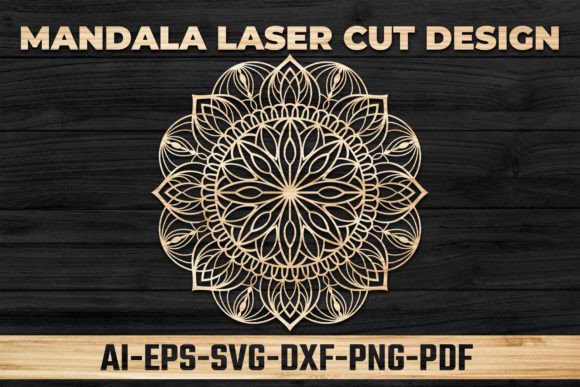
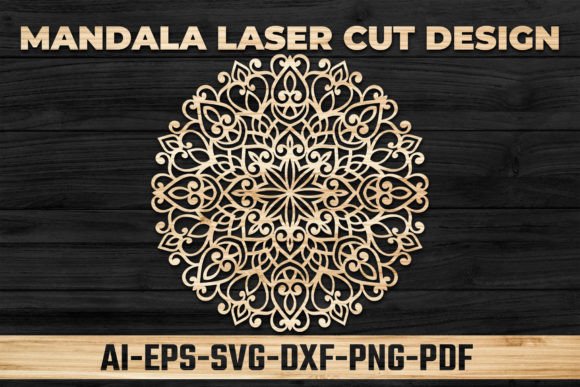
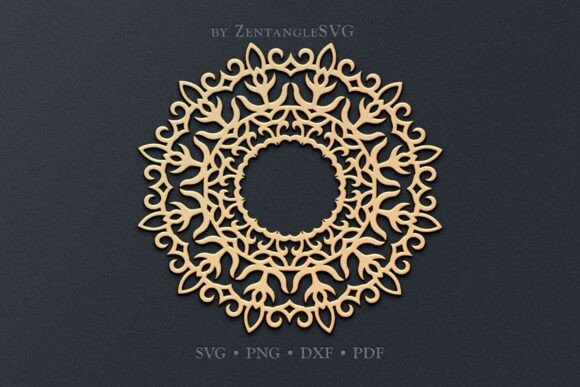
When analyzing such a template, one looks for "clean" vectors—paths that do not have unnecessary overlapping nodes or erratic curves. These imperfections can cause cutting machines to hesitate, resulting in burnt edges or incomplete cuts. The described item features an intricate detailed ornament, suggesting a high level of craftsmanship in the vectorization process. For materials like paper and cardstock, this allows for delicate, lace-like effects that are difficult to achieve manually. When applied to thicker substrates like plywood or MDF, the same design demonstrates how negative space can define form, turning a solid sheet into a light-filtering sculpture.
The mention of a "random color" 1-layer design indicates that the visual presentation in marketing materials may vary, but the underlying vector structure remains consistent. This is a crucial distinction. The color is merely a visual aid; the true product is the geometry. Creators should not rely on the displayed color for their project but rather use it as a placeholder to understand the scale and contrast of the design elements.
Material Versatility and Practical Application
The utility of this digital template extends far beyond simple paper crafts. Its compatibility with a wide range of materials makes it a valuable asset for diverse industries:
- Paper and Cardstock: Ideal for wedding invitations, greeting cards, scrapbooking, and shadow box art. The precision of the cut allows for professional-grade finishes that elevate the perceived value of paper products.
- Wood, Plywood, and MDF: Suitable for decorative wall art, room dividers, and furniture accents. Laser cutting these materials with a mandala design creates striking shadows and depth, particularly effective when backlit.
- Acrylic and Plexiglass: Offers a modern, sleek aesthetic. The clean edges provided by laser cutting ensure that the transparency and refraction properties of acrylic are highlighted without the roughness associated with mechanical saws.
- Metal: With appropriate equipment (such as fiber lasers), thin metals can be etched or cut, though this requires careful adjustment of power and speed settings. The vector data remains valid regardless of the material, making the template a long-term investment.
For entrepreneurs, this versatility means a single purchase can support a broad product line. A designer can create a collection of coasters, jewelry displays, and home decor items using the same base geometry, simply by altering the material and scale. This efficiency is vital for small business owners looking to maximize return on investment for digital assets.
Educational and Professional Use Cases
Educators and workshop leaders find these templates particularly useful. They provide a standardized, reproducible example of vector design principles. Students can analyze the file structure to learn about symmetry, layer management, and machine settings. For corporate gifts or branded merchandise, the mandala motif offers a neutral yet sophisticated aesthetic that can be customized with company colors or logos overlaid on the transparent spaces of the design.
Limitations and Considerations
No digital asset is without limitations. While the Mandala SVG Paper Cut Laser Cutting template is robust, success depends heavily on the user’s skill in machine calibration. An intricate design will fail if the kerf (the width of the material removed by the laser) is not accounted for, leading to pieces that do not fit together or details that burn through. Users must experiment with test cuts on scrap material to determine optimal power and speed settings for each specific substrate.
Additionally, the "1-layer design" aspect means that all cut lines are treated equally by the machine. If a user wishes to engrave certain parts of the mandala while cutting others, they may need to modify the file in a vector editing program to assign different layers or colors to engrave vs. cut actions. This adds a step for advanced users but does not detract from the template's fundamental usability for straightforward cutting projects.
Furthermore, the randomness of the display color implies that users should verify the scale and proportion of the design against their own project requirements. Always check the dimensions included in the file metadata or documentation to ensure the mandala fits within the working area of their cutting bed.
Conclusion on Value and Suitability
Ultimately, the worth of a digital template is measured by its reliability and adaptability. This Mandala SVG Paper Cut Laser Cutting resource meets those criteria by offering a technically sound, visually compelling, and widely compatible vector asset. It caters to the serious hobbyist who values precision and the professional who needs efficient, scalable solutions. By understanding the nuances of file formats, material behavior, and machine settings, users can leverage this design to produce high-quality results across paper, wood, acrylic, and metal. It is not merely a picture to be printed, but a functional blueprint for creation, embodying the intersection of digital precision and artisanal craft.