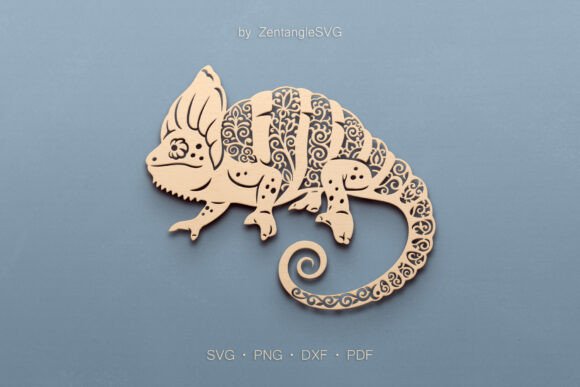
Chameleon SVG Paper Cut Laser Cutting
The world of digital fabrication and intricate craft design has evolved significantly, moving away from simple silhouettes toward complex, multi-dimensional art forms. Among the trending techniques gaining traction among hobbyists, designers, and small business owners is the Chameleon SVG Paper Cut Laser Cutting style. This specific aesthetic relies on layered depth, shadow play, and precise geometric or organic patterns to create a visual effect that mimics three-dimensionality on a two-dimensional plane.
For those evaluating this technique for their next project, understanding the underlying technology, file requirements, and material capabilities is essential. This guide provides an objective analysis of what these digital templates entail, who they are best suited for, and how to integrate them into your workflow effectively.
Understanding the Digital Template Structure
At the core of any successful laser-cut or vinyl-crafted project is the source file. The Chameleon style is not merely a single image but a structured assembly of layers. When you purchase or download a DIGITAL TEMPLATE for this purpose, you are typically receiving a suite of vector-based files designed to be interpreted by cutting software such as Silhouette Studio, Cricut Design Space, LightBurn, or Adobe Illustrator.
File Compatibility and Formats
A comprehensive digital package usually includes multiple file formats to ensure broad compatibility across different machines:
- SVG (Scalable Vector Graphics): The industry standard for most electronic cutting machines. It allows for infinite scaling without loss of quality, which is critical when resizing intricate ornament details.
- DXF: Often preferred by professional laser engravers and CNC users, particularly those using AutoCAD or CorelDRAW.
- PNG: Raster images included in the package often serve as reference guides or templates for tracing if a user’s software does not support direct SVG import.
- PDF: Useful for printing physical templates if digital cutting is not immediately available.
Layered Design Logic
The defining characteristic of the Chameleon paper cut style is its reliance on layering. Unlike flat decals, these designs require the user to cut individual components separately and then adhere them in a specific sequence. The "random colors" aspect mentioned in many product listings refers to the preview or default state of the digital file; however, the actual power lies in the user's ability to assign specific colors to each layer during the digital setup phase. This allows for customization, enabling the creator to match the design to a specific theme, brand palette, or seasonal decor.
Material Versatility and Craft Applications
One of the primary reasons creators seek out Chameleon SVG templates is their versatility. While the name suggests paper, the vector nature of the files means they can be adapted to a wide array of substrates. The intricate detailed ornamentation requires materials that can hold fine edges without fraying or burning excessively.
Common Material Choices
- Paper and Cardstock: The most accessible entry point. Heavyweight cardstock (80lb–110lb) is ideal for maintaining structural integrity in layered pieces. Standard printer paper may be too flimsy for complex hanging mobiles but works well for flat wall art.
- Wood and Plywood: For laser cutting, birch plywood is a popular choice. It burns cleanly and offers a warm, natural aesthetic that contrasts beautifully with the precision of the cut lines. MDF (Medium Density Fiberboard) is another option, though it tends to produce more smoke and requires careful ventilation.
- Acrylic and Plexiglass: Clear or colored acrylic sheets allow light to pass through the layers, creating a stunning illuminated effect. This is particularly effective for nightlights or decorative lamps where the Chameleon pattern acts as a diffuser.
- Metal: Thin sheet metals, such as brass or steel, can be laser-cut using high-power CO2 or fiber lasers. This adds a premium, industrial feel to the ornamental designs.
Evaluating Benefits and Tradeoffs
When deciding whether to invest time and resources into mastering this technique, it is important to weigh the advantages against the potential challenges.
Benefits
The primary benefit is the high perceived value of the final product. A well-executed layered paper cut or wood carving appears significantly more expensive and labor-intensive than it actually is. From a production standpoint, once the digital file is prepared, the cutting process is automated. This scalability makes it suitable for both one-off custom gifts and small-batch commercial products. Furthermore, the digital nature of the asset means there is no inventory cost for physical dies or stamps; you simply need the file and the raw material.
Tradeoffs and Challenges
The most significant hurdle is the post-processing effort. Layered designs require precise alignment (registration). If the layers shift even slightly during gluing, the intricate details can become misaligned, ruining the optical illusion of depth. This demands patience and steady hands, or specialized jigs and adhesives.
Additionally, machine limitations must be considered. Intricate ornaments may have very thin connecting points. On a Cricut or Silhouette blade cutter, delicate internal pieces may fall out if the pressure or speed settings are not calibrated correctly. In laser cutting, heat accumulation can cause warping in thin woods or melting in plastics if the machine’s airflow and focus are not optimized.
Situational Fit: Who Should Use This?
This type of digital template is a strong fit for several specific user profiles:
Small Business Owners looking to diversify their product line with home decor items. The low startup cost of digital files compared to tooling makes it an attractive addition to Etsy shops or craft fairs.
Hobbyists and DIY Enthusiasts who enjoy the meditative process of assembling complex projects. The satisfaction of seeing a flat stack of paper transform into a dimensional piece of art is a key driver for this audience.
Interior Designers and Decorators seeking custom wall art. Because the files are scalable, these designs can be adapted to fit various spaces, from small bathroom accents to large living room focal points.
Conversely, alternatives may be worth considering for those seeking rapid, bulk production with minimal post-assembly time. If the goal is mass-produced packaging or simple signage, flat vector designs without layering would be more efficient. Similarly, for those without access to a cutting machine, commissioning a local print shop to handle the cutting and assembly might be necessary, though this increases per-unit costs.
Practical Decision-Making Insights
To determine if Chameleon SVG Paper Cut Laser Cutting aligns with your goals, consider the following practical steps:
Assess Your Equipment
Do you own a compatible cutting machine? If you are using a manual blade cutter, test the file on scrap paper first to identify any overly intricate sections that might tear. If you are using a laser, verify that your machine’s bed size accommodates the largest dimensions of the design.
Plan Your Workflow
Before cutting, organize your layers digitally. Assign distinct colors to each layer in your software to visualize the stacking order. Create a "cut list" to track which materials correspond to which layers. This preparation drastically reduces errors during the physical assembly phase.
Experiment with Adhesives
The success of the final piece often depends on the bonding agent. For paper, foam tape can add extra dimension, while clear-drying glue provides a seamless look. For wood and acrylic, epoxy or specialized contact cements may be required to ensure durability.
In conclusion, the Chameleon SVG Paper Cut Laser Cutting trend offers a blend of artistic expression and technical precision. By understanding the file structures, material properties, and assembly requirements, creators can leverage these digital templates to produce high-quality, visually striking results. Whether for personal enjoyment or commercial gain, this approach provides a flexible and rewarding pathway into the realm of layered digital crafts.